
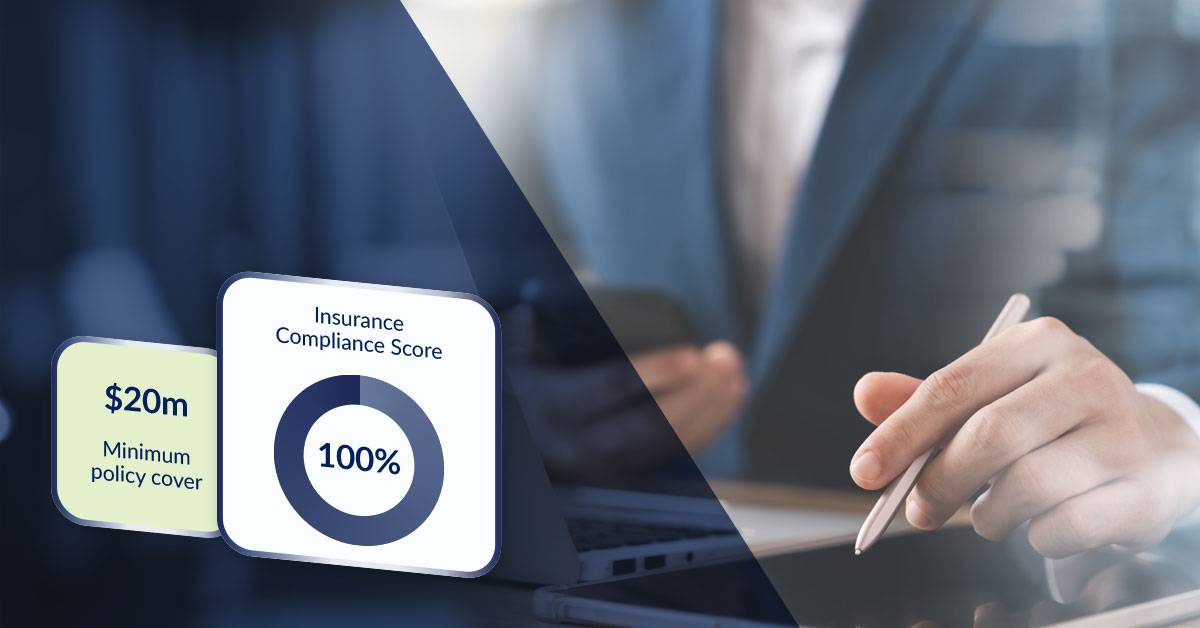
Insurance verification is an important component of supply chain risk management. Engaging contractors or suppliers without adequate coverage exposes your business to significant risk in the case of an incident.
But why is it important, and what are the consequences?
In this article, Cm3 answers common questions around insurance verification and its importance in your risk and compliance regime.
Why do businesses need to verify a contractor’s insurance before engagement?
Verifying insurance ensures the contractor has financial protection for accidents, injuries, property damage, or environmental damage that may occur during their work on your site. This protects your own business from being held financially or legally responsible in the unfortunate event this may happen.
What types of insurance should be checked?
Common insurance policies taken out by businesses include:
Public Liability Insurance
Public liability insurance covers policy holders for third‑party injury or property damage.
Workers Compensation Insurance
Workers compensation insurance covers the workers if they are injured.
Professional Indemnity Insurance
Particularly relevant for consultants and designers, professional indemnity insurance covers errors or negligent advice.
What are the risks if a contractor does not have valid insurance?
If something goes wrong, your business may be financially liable for:
- Injury or death of workers or to the public
- Damage to your property or neighbouring property
- Legal costs
- Compensation payouts
- Project delays and operational disruption
This can lead to severe financial and reputational consequences.
Do insurances need to be verified? Can we not just take a contractor’s word on it?
No. Insurance verification makes sure the contractor, not you, carries the appropriate financial responsibility.
Insurance can lapse, be cancelled, not cover the type of work being performed, or not meet the insurances minimums required for certain projects. Verification of insurances includes the policy to be sighted and check that it is current and in the correct business name, there are appropriate coverage levels, the business is covered for the work they are being engaged to perform, and there are no exclusions that can leave your own business exposed.
Without proper insurance verification, businesses may unknowingly take on significant liabilities that could have been avoided.
How often should a contractor’s insurance be verified?
When it comes to checking a contractor’s insurances, it is best practice to check a contractor’s coverage at the prequalification stage, before they start any work. However, a once‑off check is not always enough. Policies should also be checked whenever policies are due to expire, at the renewal of contracts, or if the scope of work changes.
With Cm3, insurances are checked and verified by our team, and the policies that do not meet requirements are rejected and an acceptable insurance policy document requested.
The system tracks each type of insurance for currency and expiration reminders are automatically sent to contractors, so they are prompted to update their documentation upon policy renewal. This provides you with complete visibility of your contractor’s current coverage and confidence in continued engagement.
How does insurance verification protect my business?
Insurance verification can protect your business by ensuring that contractors have the financial capacity to respond to incidents, claims, or damages arising from the work they perform. When a contractor is properly insured, the financial responsibility for losses sits with the contractor’s insurer – not your business.
Failing to verify insurance exposes a company to significant and avoidable business risks. Depending on the size, scale, and impact of an uninsured incident, it can lead to fines, penalties, being sued for damages, undesirable media exposure, loss of client trust and future work, damage to brand credibility, and a perception of poor management – which are all difficult to recover from.
What are the financial consequences of engaging an uninsured contractor?
Potential costs can include:
- Compensation payouts
- Cost of repairs or property damage
- Legal costs
- Increased insurance premiums
- Project downtime
- Costs associated with regulatory investigations
A single incident can cost more than years of proper insurance checks.
How does verifying insurance contribute to safer operations?
Insurance often reflects a contractor’s professionalism and risk management. Contractors who maintain appropriate coverage are generally more compliant, reliable, and safety‑focused.
Implementing a standardised and systemic process for verification helps demonstrate that you have met your health and safety due diligence requirements by taking reasonable steps to ensure the contractors you engage are appropriately insured and understand their own risk responsibilities.
Speak with Cm3 about verifying and managing your contractor insurances
Cm3’s standardised processes and powerful system provide a robust platform for businesses to manage and track all aspects of their contractor compliance.
Contact Cm3 to discuss your requirements, supply chain risks, and how you can leverage our contractor prequalification service to streamline your processes.