Transport & Logistics Contractor Management
Comprehensive and intuitive contractor compliance management built for the Transport & Logistics sectors
The transport sector presents challenges for operators who are tasked with managing safety in a high-risk environment. Increasing focus on heavy vehicle regulation and a reduction in fatalities places operators under increased scrutiny to address the compliance challenges of drivers, workers, and contractors.
Partnering with Cm3 supports operators in identifying and resolving gaps in transport compliance, reducing the administrative burden that comes with increasingly complex regulations.

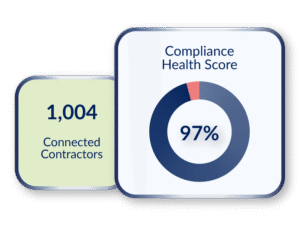
Key Transport & Logistics Sector Challenges
How does Cm3’s ecosystem assist operators in the transport sector?

Set your requirements and ensure that your contractors have the appropriate risk controls, licences, and insurances in place before engaging them for work.

Verify the Cm3 compliance status of contractors and manage site access with Cm3’s QR code visitor management system.

Collect important information, documents, and declarations related to the unique nuances of your organisation, and tie responses to your compliance prerequisites.

Source qualified contractors on Cm3’s exhaustive database of contractors across Australia & New Zealand.

Digital workflows to ensure risks are identified, controls are verified, responsibilities are clear, and work is authorised before it proceeds.
Managing higher‑risk work activities in your supply chain

Specialised Risk Reviews
Assess your contractors for risks related to their scope of work with Cm3’s Risk Reviews built to mitigate risk in the Transport sector.
Managed Assessment Service
Leverage Cm3’s in-house compliance team to assess your contractors and verify that they meet legislative requirements for operation.
Other Cm3 Risk Reviews for Transport & Logistics Compliance Management
.
Transport Chain of Responsibility
Road Transport
Heavy Vehicles
Hazardous Noise
Powered Mobile Plant
High Pressure Hazards/Equipment
Warehouse Operations
Pedestrians and Traffic
Workplace Aggression
Hazardous Manual Tasks
.
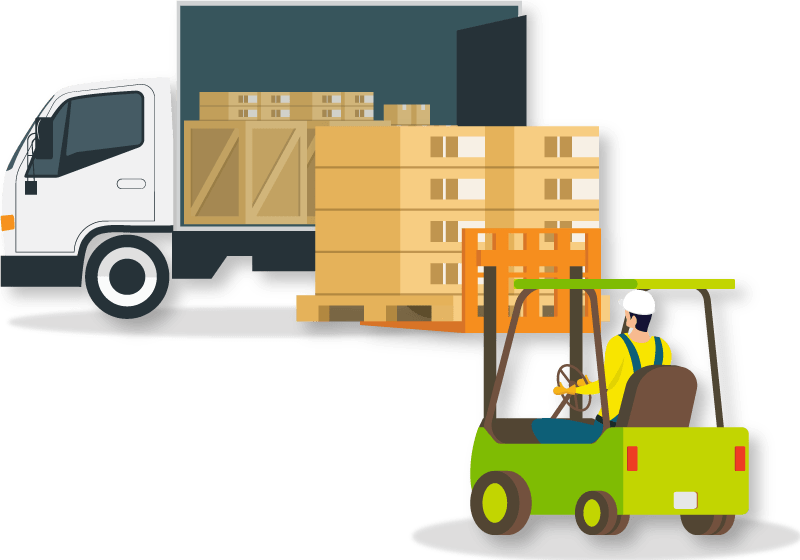
Managing your Chain of Responsibility risks and obligations
Chain of Responsibility (CoR) is a crucial element of Heavy Vehicle National Law (HVNL) that protects the vehicle, its driver, and its load by placing accountability for safety on all parties within the transport supply chain. CoR underscores the interconnectedness of parties and activities, emphasising their collective impact on a driver’s safety and HVNL compliance.
Cm3’s in house assessment team works with contractors in the transport and logistics sectors to verify documentation against legislative requirements and assess their capability to manage their obligations under the CoR, including the five key focus areas:
- Fatigue Management
- Loading
- Speed Compliance
- Mass & Dimension
- Maintenance Management
Transport & Logistics Contractor Management FAQ
The primary goal of managing transport and logistics is to create an efficient and effective flow of supply from one point to another, while also managing other associated activities like storage, packaging and distribution. Through effective management, businesses can ensure that customers receive their products on time and free of damage.
The Heavy Vehicle National Law (HVNL) governs the use of heavy vehicles in Australia and includes things like mass and dimension limits, fatigue management, vehicle standards and chain of responsibility obligations. It applies to all vehicles over 4.5 tonnes gross vehicle mass (GVM). The aim of the law is to improve the safety and productivity of the heavy vehicle industry.
Chain of Responsibility law ensures that all workers who are involved with heavy vehicles are accountable for safety precautions. This law recognises that everyone involved in the supply chain has a responsibility to ensure that goods are being transported safely and legally. This includes the drivers to the business that employs the driver and the place of delivery.